Playground Turf & Safety Surfacing in Tucson, AZ
ASTM-rated synthetic turf with shock pad underlayment, fall protection, ADA accessibility, and a cooler surface than asphalt for Tucson's extreme heat.
Playground Safety Turf in Tucson: What the Specs Actually Mean
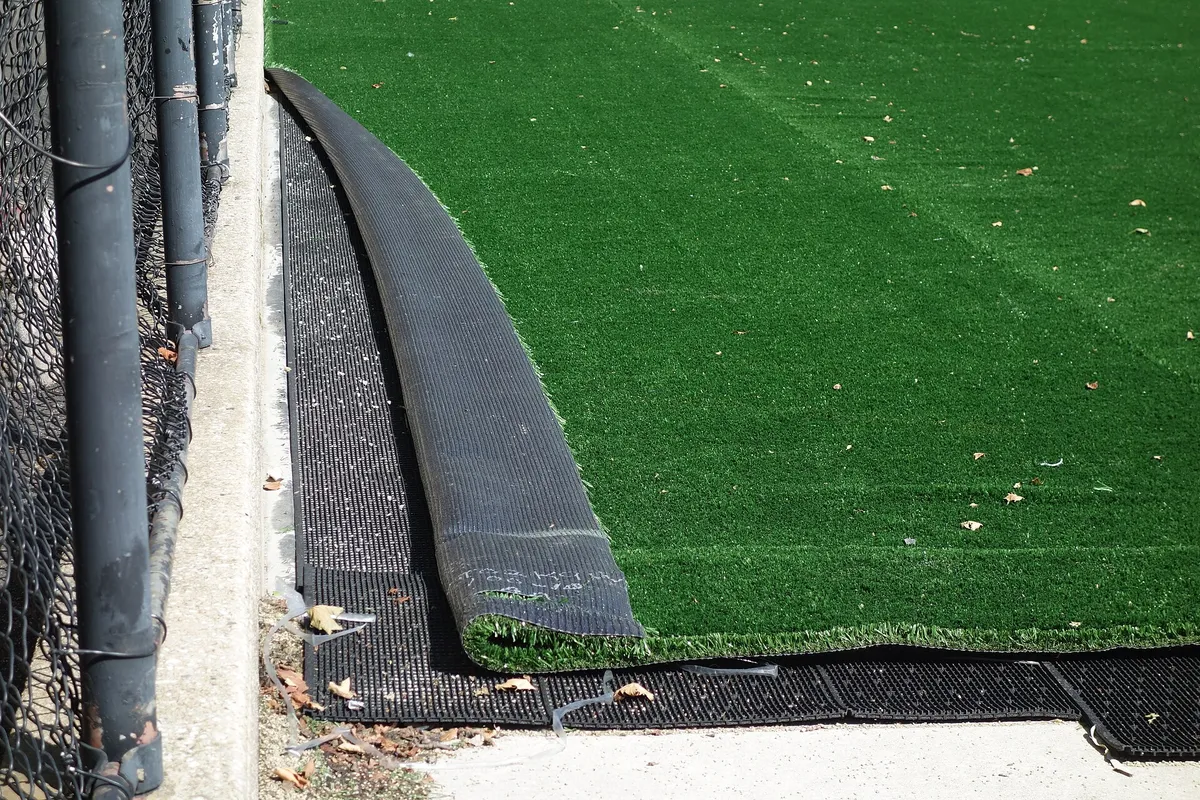
Playground turf is the most technically demanding category in synthetic grass. Aesthetics are secondary, fall protection, temperature, and ADA compliance are what matter. Here's what each means in a Tucson context.
ASTM F1292: Fall-Height Protection
ASTM F1292 defines the impact attenuation requirement for playground surfaces. The test measures Head Injury Criteria (HIC), the surface must score below 1,000 at the rated fall height. The turf alone does not provide adequate fall protection; the shock pad underlayment is the critical component. Pad thickness and density determines the fall height rating. A 2-inch pad typically rates to 6 feet; a 3-inch pad can reach 8 feet or more.
In Tucson's heat, shock pad material matters significantly. Standard EVA foam pads degrade in sustained 150°F+ surface conditions. The pad should be rated for high-temperature environments so it maintains its HIC performance through Arizona summers rather than compressing and losing fall protection over time.
ADA Accessible Surface
Under the ADA, playground surfaces must be "firm and stable" to support wheelchairs and mobility aids approaching and transferring to equipment. Properly installed playground turf with a packed infill and firm base meets this standard. Loose fill materials, pea gravel, wood chips, loose sand, generally do not. If ADA compliance is required (school, commercial, or public playground), the layout should run from the access point through the play zone, with the surface specification documented.
Heat in Tucson, The Factor Others Ignore
Playground turf temperature in direct Tucson sun is the single most important safety consideration that local competitors rarely address directly. Standard dark-green turf reaches 150-170°F surface temperatures, third-degree burn territory on contact. A sound playground install includes:
- Lightest available blade color (medium green or lighter), 10-15°F cooler than dark green
- Heat-dissipating infill, significantly reduces surface temps
- Shade structure over the play area (a separate job, but needed for afternoon-sun exposures)
- Pads rated for sustained high-temperature performance
Even with these measures, morning use is best (before 10 AM) for barefoot or bare-skin contact during June through September. A 30-second rinse with a garden hose drops surface temps dramatically and makes the surface safe for immediate use any time of day.
Why Tucson Playgrounds Aren't Just Using Asphalt
Asphalt is common in older Arizona school playgrounds but fails on every safety metric: it provides zero fall protection, reaches higher surface temps than turf (180°F+), and is hard and abrasive on falls. Playground turf with a shock pad is a meaningful safety upgrade at comparable cost to asphalt repaving for most backyard or school playground areas.
- ASTM F1292 rated
- Shock pad underlayment
- 2" pad → 6 ft fall protection
- ADA accessible surface
- Heat-rated pad material
- Lightest blade color
- Heat-dissipating infill
- UV-stable, desert-rated
Free Playground Turf Estimate in Tucson
The play zone is measured, fall heights identified, and the right pad depth and turf grade recommended for your equipment.
Serving Tucson, Sahuarita, Vail, and Pima County. See full service area.
Playground Turf Tucson AZ: Common Questions